
Japanese linen spray aesthetic, a captivating blend of traditional Japanese design principles and the tactile allure of linen, is gaining traction in interior design circles. This style transcends mere aesthetics, offering a pathway to tranquility and harmony, reflecting a deep connection with nature and a commitment to mindful living. Its appeal stems from the meticulous attention to detail and the use of natural materials, creating an atmosphere of serenity and sophistication.
This exploration delves into the core elements of the Japanese linen spray aesthetic, from its defining visual characteristics to practical considerations for implementation. We will examine color palettes, textures, and furniture styles, ultimately unveiling the secrets behind its enduring appeal and providing actionable insights for those seeking to incorporate this trend into their own spaces.
Defining the Aesthetic
The “Japanese linen spray aesthetic” is a contemporary style blending traditional Japanese design principles with the tactile appeal of linen and the airy lightness of spray-painted elements. This aesthetic, characterized by a serene, minimalist approach, evokes a sense of calm and tranquility, often featuring delicate patterns and muted color palettes. Its appeal lies in its ability to create a visually appealing and comforting atmosphere, particularly in home decor and fashion.This style transcends simple decoration; it reflects a deep appreciation for natural materials and craftsmanship.
The aesthetic’s emphasis on subtle textures and refined details contributes to its overall elegance and understated sophistication. This is a modern interpretation of traditional Japanese aesthetics, adapting them for a contemporary audience.
Key Visual Elements
The visual language of the Japanese linen spray aesthetic is defined by several key elements. Soft, muted color palettes, often drawing inspiration from nature’s color spectrum, are a hallmark. These palettes include pastels, earthy tones, and subtle variations of white and gray. This creates a serene and harmonious atmosphere, free from jarring or overly bold colors. The incorporation of delicate patterns, such as subtle floral motifs or abstract designs, adds visual interest without overwhelming the overall minimalist aesthetic.
These patterns are often rendered with a soft touch, further enhancing the aesthetic’s delicate and calming nature. The interplay of light and shadow, particularly when working with linen’s texture, is another defining characteristic. This play of light creates depth and dimension within the design, drawing the eye and reinforcing the sense of tranquility.
Cultural Influences
The Japanese linen spray aesthetic draws significant inspiration from Japanese aesthetics like wabi-sabi and mingei. Wabi-sabi, emphasizing the beauty of imperfection and the appreciation of natural materials, directly informs the aesthetic’s embrace of linen and its inherent texture. Mingei, celebrating the beauty of everyday objects, supports the aesthetic’s use of readily available materials like linen in a refined and artistic way.
These principles, combined with the minimalist sensibilities of contemporary design, form the bedrock of this emerging style.
Historical Context
While a precise historical lineage isn’t immediately apparent, the Japanese linen spray aesthetic draws on a rich history of Japanese design traditions. The emphasis on natural materials and understated elegance has deep roots in Japanese aesthetics, finding echoes in traditional Japanese textiles, ceramics, and architecture. The contemporary adaptation of these traditions into a modern, accessible style reflects a continuing evolution of Japanese design principles in the global context.
Materials and Techniques
Beyond linen spray, a variety of materials are employed to achieve the aesthetic’s visual harmony. Natural fibers like cotton, bamboo, and ramie are often used in conjunction with linen, contributing to the overall sense of organic texture. The use of natural dyes and pigments to color the linen adds another layer of sophistication. This approach enhances the material’s inherent beauty and aligns with the aesthetic’s focus on sustainable and environmentally conscious practices.
The use of traditional Japanese brushstrokes in the spray application, when incorporated, adds a unique layer of handcrafted artistry to the designs. These materials and techniques contribute to a complete and refined aesthetic, promoting a balance between nature, craftsmanship, and contemporary sensibilities.
Visual Representations
The Japanese linen spray aesthetic, characterized by its serene ambiance and natural textures, relies heavily on visual cues to evoke a sense of calm and connection with nature. This aesthetic transcends mere decoration, aiming to create an immersive experience that resonates with a mindful lifestyle. The meticulous selection of color palettes, textures, lighting, and furniture styles contributes to this cohesive and harmonious environment.The careful curation of visual elements in this aesthetic is crucial in establishing the desired mood.
From the subtle hues to the soft textures, every detail is strategically chosen to evoke a sense of tranquility and well-being. The harmonious blend of these elements fosters an atmosphere of peace and introspection.
Color Palettes
A diverse range of color palettes are associated with the Japanese linen spray aesthetic, each contributing to a unique atmosphere. The choice of colors often reflects a preference for natural tones, creating a sense of harmony with the surrounding environment.
| Color Palette | Description | Examples | Associations |
|---|---|---|---|
| Muted Pastels | Soft, subdued colors like lavender, mint green, pale yellow, and light beige. | Creamy whites, dusty rose, sage green, light blue | Tranquility, serenity, and a connection to nature. |
| Earthy Tones | Warm, natural hues like terracotta, beige, taupe, and various shades of brown. | Olive green, burnt orange, warm grey | Connection to the earth, groundedness, and a sense of warmth. |
| Neutral Palette | A combination of whites, creams, grays, and blacks, with occasional pops of color. | Off-white, charcoal gray, light cream, black | Simplicity, minimalism, and a sense of spaciousness. |
Textures
The Japanese linen spray aesthetic often incorporates a variety of textures to add depth and visual interest. The focus is on natural, soft, and tactile materials that evoke a sense of comfort and connection with the environment.The incorporation of these textures aims to create a sense of tactile pleasure and immersion in the space. Examples include the soft, flowing lines of linen, the coarse yet calming texture of natural wood, and the subtle variations in the surface of stone or ceramic.
Lighting and Atmosphere
Soft, diffused lighting is a key element in creating the serene atmosphere associated with this aesthetic. Natural light is prioritized, with the use of sheer curtains or blinds to diffuse strong sunlight. Ambient lighting, such as string lights or strategically placed lamps, creates a warm and inviting glow.The atmosphere aims for a balance between illumination and shadow, with soft, warm lighting enhancing the overall ambiance.
This careful consideration of light and shadow helps to highlight the natural textures and colors of the space, creating a visually appealing and calming environment.
Furniture Styles
The furniture styles typically employed in this aesthetic are characterized by simple lines, natural materials, and comfortable forms. Pieces often feature low profiles, clean silhouettes, and a sense of understated elegance.Traditional Japanese furniture, such as low tables and tatami mats, often appear in these spaces. However, a modern interpretation of these styles can also be observed, showcasing a blend of contemporary and traditional design elements.
The key is to maintain a sense of balance and harmony.
Natural Elements
The thoughtful integration of natural elements, such as plants, wood, and stone, is paramount in achieving the desired aesthetic. The use of these elements underscores the connection to nature and fosters a sense of calm and tranquility.Plants, carefully chosen and strategically placed, add life and vibrancy to the space. Wood, in various forms like flooring, furniture, or accents, creates a warm and grounding element.
The inclusion of natural materials such as stone or bamboo adds a touch of sophistication and grounding to the overall design.
Applications and Inspiration
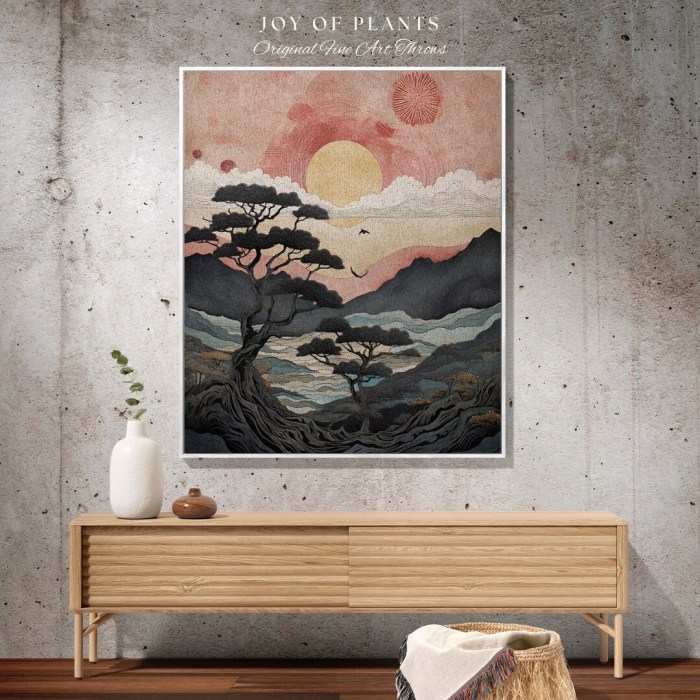
The Japanese linen spray aesthetic, characterized by its serene and minimalist approach, offers a compelling blend of natural textures and subtle elegance. Its adaptability allows for diverse applications, extending beyond purely decorative elements to encompass practical considerations and emotional responses. This adaptability is a key factor in its growing appeal across various design disciplines.This aesthetic’s success hinges on its ability to transcend cultural boundaries, resonating with a global desire for calm and simplicity.
Its understated nature allows for integration into different design styles, offering a unifying thread for projects aiming for a quiet sophistication.
Table of Applications
The following table Artikels diverse applications of the Japanese linen spray aesthetic, demonstrating its adaptability and potential across various design spheres.
| Application | Description | Examples |
|---|---|---|
| Interior Design | This aesthetic is particularly well-suited for creating tranquil and inviting living spaces. The soft, natural tones and subtle textures evoke a sense of calm and harmony. | Walls painted with light beige or muted gray tones, accented with linen-like curtains and cushions; incorporating natural wood elements; using Japanese-inspired lighting to create ambient ambiance. |
| Product Design | The aesthetic can enhance the perceived quality and sophistication of products. The emphasis on natural materials and understated details can elevate the perceived value. | Packaging for luxury goods; the use of natural linen textures for clothing or accessories; minimalist furniture with linen-like upholstery. |
| Fashion Design | The aesthetic’s focus on natural materials and simple silhouettes can inspire garments that prioritize comfort and understated elegance. | Clothing lines featuring linen or cotton fabrics in neutral colors; accessories crafted from natural materials like wood or bamboo; minimalist, flowing silhouettes. |
| Graphic Design | The aesthetic translates well into graphic design, lending a calming and refined visual appeal to branding and marketing materials. | Logos and branding materials featuring subtle color palettes, natural textures, and clean typography; website design with a focus on serene color schemes and minimalist layouts. |
Inspiration Sources
The Japanese linen spray aesthetic draws inspiration from a multitude of sources, ranging from traditional Japanese design principles to contemporary artistic movements. Understanding these inspirations helps to appreciate the depth and multifaceted nature of the aesthetic.The aesthetic draws on traditional Japanese principles of
- 侘び寂び (wabi-sabi)*, emphasizing the beauty of imperfection, impermanence, and the natural world. The concept of
- ma*, or negative space, is also reflected in the aesthetic’s deliberate simplicity. Furthermore, the meticulous attention to detail, characteristic of Japanese craftsmanship, informs the aesthetic’s overall refinement.
Use in Design Fields
The Japanese linen spray aesthetic is increasingly prevalent in various design fields, demonstrating its versatility and appeal.Examples include high-end furniture design where natural materials and neutral tones are used to create a sense of calm and sophistication; interior design projects where the aesthetic is employed to craft inviting and harmonious living spaces; and fashion brands that utilize natural fabrics and simple silhouettes to reflect the aesthetic’s inherent elegance.
Connection to Japanese Design Principles
The aesthetic is deeply rooted in Japanese design principles, particularly the concept of
- wabi-sabi*, which embraces the beauty of imperfection and the natural world. The aesthetic’s emphasis on natural materials, simple forms, and muted color palettes directly reflects these principles. The aesthetic also aligns with the Japanese philosophy of
- mono no aware*, the appreciation of the transient beauty of things.
Adaptability to Different Spaces
The aesthetic’s adaptability is a key strength. It can be seamlessly integrated into various spaces, from contemporary apartments to traditional homes. The flexibility of the aesthetic stems from its reliance on core principles like natural materials and a muted color palette. This versatility allows designers to create a cohesive and calming atmosphere in a range of settings.
Mood and Atmosphere
The Japanese linen spray aesthetic cultivates a unique atmosphere, deeply rooted in the principles of Japanese design. It transcends mere aesthetics, aiming to evoke a sense of serenity and tranquility through the careful selection of colors, textures, and forms. This approach is not simply about creating a visually appealing space, but about fostering an emotional connection with the environment.This aesthetic’s strength lies in its ability to evoke a specific emotional response, drawing on centuries-old traditions of Japanese aesthetics.
The use of natural materials, subtle color palettes, and intentional design choices contribute to a holistic experience, promoting a sense of calm and harmony within the space. By understanding the underlying emotional responses elicited, one can appreciate the multifaceted nature of this aesthetic.
Emotional Responses
This aesthetic is designed to evoke feelings of calm, serenity, and harmony. The emphasis on natural elements and subdued colors promotes a sense of peace and tranquility. These visual cues stimulate a relaxed state of mind, reducing stress and anxiety. The delicate and intricate nature of the design elements further contributes to a sense of quiet contemplation and introspection.
This combination of visual and emotional cues is crucial for achieving the intended atmosphere.
Mood and Atmosphere Creation
The overall mood and atmosphere conveyed by the Japanese linen spray aesthetic are primarily calming and serene. The natural textures, such as linen, and subtle color palettes, including muted greens, browns, and creams, evoke a sense of tranquility. The absence of jarring colors or overly bold patterns creates a soothing environment conducive to relaxation and contemplation. These elements collectively contribute to a harmonious and balanced space.
Tranquility and Harmony
This aesthetic creates a sense of tranquility and harmony by emphasizing simplicity and natural elements. The delicate linen texture, often associated with softness and comfort, provides a tactile element that contributes to the overall sense of peace. Subtle color palettes, inspired by nature, avoid overwhelming the senses, allowing the mind to settle into a state of quietude. This understated approach promotes a sense of equilibrium and fosters a peaceful atmosphere.
Color and Texture Influence
The use of specific colors and textures plays a crucial role in evoking the desired mood. Muted tones, such as soft greens, beige, and browns, are frequently used, drawing inspiration from the natural world. These colors evoke a sense of calmness and serenity, promoting a sense of harmony. The natural textures, like linen, cotton, or bamboo, contribute to the tactile experience, enhancing the overall sense of tranquility.
The interplay of these elements is vital in creating the desired ambiance.
Space Application Examples
This aesthetic can be used to create both calming and energizing spaces, depending on the specific application. In a bedroom, soft linen fabrics and muted colors can promote a restful atmosphere. In a living room, a combination of natural light and strategically placed linen accents can create a calming and inviting space for relaxation and socializing. Conversely, the use of natural textures and colors in a home office can promote focus and productivity.
By carefully selecting the specific elements and colors, one can manipulate the mood of the space.
Practical Considerations
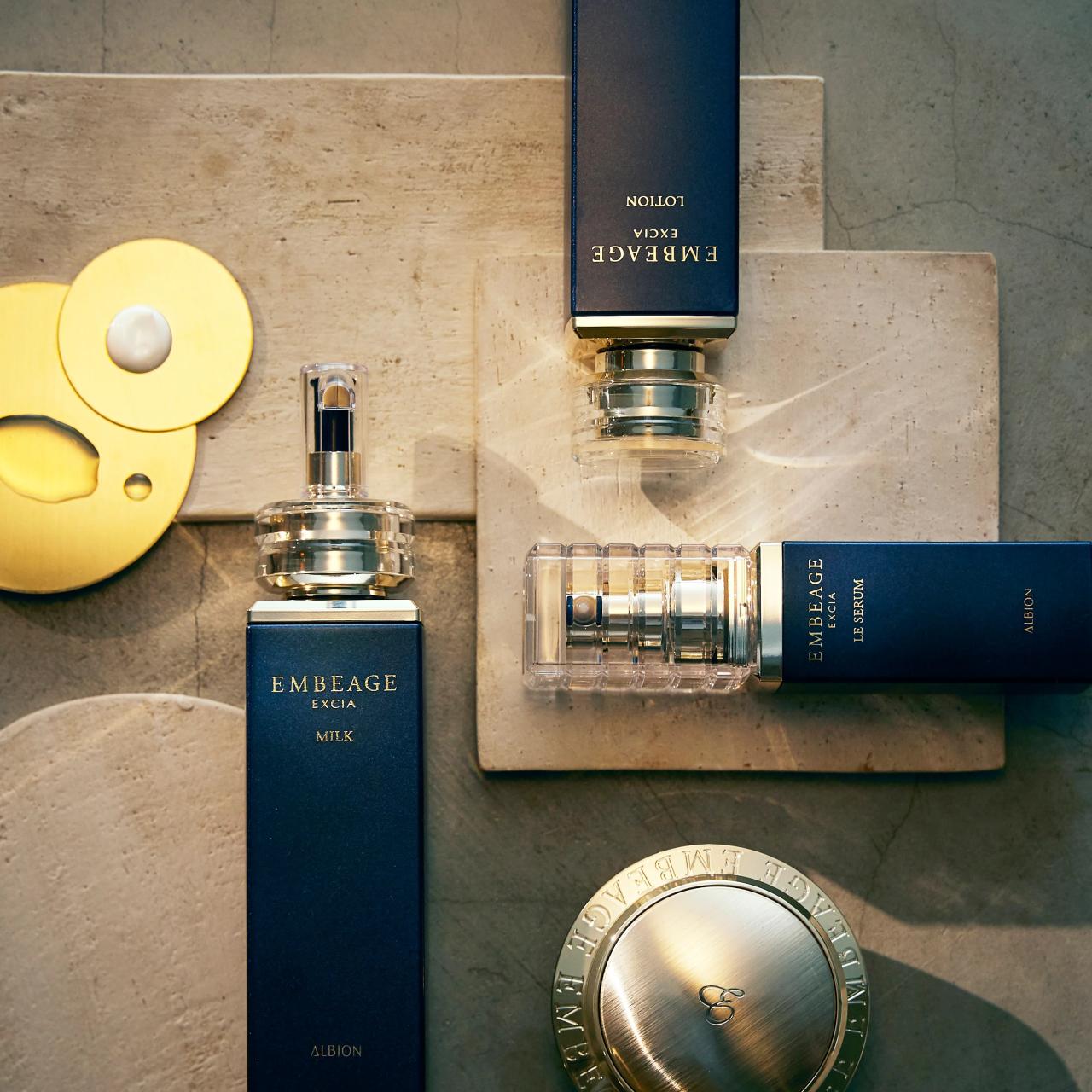
Translating the ethereal Japanese linen spray aesthetic into a tangible space requires careful consideration of practical aspects. Beyond the visual allure, implementation necessitates a pragmatic approach to materials, techniques, and maintenance to ensure the aesthetic’s longevity and appeal. This involves navigating potential challenges and adapting the vision to real-world limitations.Implementing the Japanese linen spray aesthetic requires a deep understanding of the interplay between the subtle textures, the natural light, and the desired atmosphere.
This entails selecting appropriate materials, considering the space’s dimensions, and planning the placement of elements to evoke the desired tranquility and harmony. Ultimately, the practicality of the aesthetic hinges on meticulous planning and execution.
Materials and Techniques
The aesthetic relies on a carefully curated selection of materials, each contributing to the overall atmosphere. Natural linen, a cornerstone of the aesthetic, should be prioritized for its soft texture and subtle drape. Natural dyes, particularly muted tones like sage green or charcoal grey, enhance the serene feel. These materials, combined with the interplay of natural light and shadow, are key to achieving the desired mood.
Employing light-colored wood or bamboo furniture, paired with simple, uncluttered designs, complements the overall aesthetic. The use of natural fibers and organic shapes is crucial to maintaining the aesthetic’s integrity. Techniques like Japanese knot-tying, or the subtle art of origami, can be integrated into the design, providing a layered depth to the visual appeal.
Incorporating Elements into a Space
The incorporation of elements proceeds in a phased manner, ensuring a seamless integration into the existing space. First, assess the existing layout and identify areas that can be transformed. Next, select the appropriate linen fabrics, considering their texture and color palette. Careful placement of lighting is crucial to accentuate the natural textures and create a calming ambiance.
Natural light should be maximized, and strategically placed lamps should be used to augment the soft illumination. The incorporation of plants, strategically positioned to enhance the space’s serenity, is essential. Finally, the inclusion of minimalist décor, focusing on uncluttered surfaces, reinforces the sense of tranquility.
Maintaining the Aesthetic
The long-term maintenance of the Japanese linen spray aesthetic demands careful consideration. Regular cleaning and upkeep are vital to preserving the linen’s pristine condition. Avoid harsh chemicals or abrasive materials, opting instead for gentle cleaning methods. Periodic inspections are crucial to ensure that the materials are not degrading. Proper storage of linen pieces, especially when not in use, is important to maintain their quality.
Regular dusting and gentle vacuuming are key to preserving the natural textures.
Potential Challenges and Solutions
Challenges often arise when translating an aesthetic into a practical space. One common challenge is achieving the desired level of serenity in a busy or overly stimulated environment. To overcome this, consider the use of sound-absorbing materials and incorporate natural elements such as plants and water features. Another challenge is maintaining the aesthetic’s integrity in a large or complex space.
Overcoming this involves strategically using zoning techniques to divide the space into smaller, more manageable areas, each with its own unique character. Additionally, ensuring the selection of appropriate materials for the local climate is crucial. Understanding and adapting to the local environment are key to preserving the aesthetic’s intended atmosphere.
Contrasting Styles
The Japanese linen spray aesthetic, with its emphasis on natural textures and serene color palettes, presents a compelling contrast to other design trends. Understanding its distinctions from minimalist, contemporary, and other styles is crucial for effective application and adaptation across various contexts. This analysis illuminates the unique characteristics of this aesthetic and highlights its potential for blending and evolution.
Comparison with Minimalist Design
Minimalist design, renowned for its clean lines and uncluttered spaces, shares some common ground with the Japanese linen spray aesthetic. Both prioritize simplicity and often utilize neutral color palettes. However, the Japanese linen spray aesthetic introduces a layer of texture and subtle visual interest through the use of linen sprays and carefully chosen patterns. While minimalism strives for a stark purity, this aesthetic embraces a more nuanced approach, allowing for visual depth and a sense of gentle movement.
The introduction of linen, in particular, adds a tactile element that minimalism typically avoids. This difference is key; the aesthetic isn’t just about absence but about a particular kind of presence.
Contrasts with Contemporary Styles
Contemporary design often features bold colors, geometric shapes, and innovative materials. This contrasts sharply with the Japanese linen spray aesthetic, which favors softer, natural tones and organic forms. The aesthetic’s emphasis on natural materials and traditional techniques positions it as a deliberate departure from the rapid evolution and technological advancements often central to contemporary design. The tactile qualities of linen and the delicate nature of the spray application also set it apart from contemporary design’s emphasis on sleekness and high-tech finishes.
Blending with Other Styles
The Japanese linen spray aesthetic can be effectively integrated with various other styles. For instance, it can be paired with Scandinavian design, known for its focus on natural materials and light tones, to create a serene and calming atmosphere. The use of natural woods and muted color palettes would complement the linen spray aesthetic seamlessly. Similarly, blending with traditional Japanese aesthetics, through the incorporation of handcrafted elements and symbolic motifs, would amplify the aesthetic’s depth and cultural resonance.
Conversely, a more industrial setting can benefit from a strategic placement of the aesthetic, introducing a touch of calming serenity.
Adaptation to Cultural Contexts
Adapting the Japanese linen spray aesthetic to diverse cultural contexts requires careful consideration. In a North American setting, the focus on natural materials and serene color palettes would likely resonate with a growing interest in wellness and mindful design. In a South Asian context, the use of similar natural materials could be interpreted in ways that evoke local traditions and craftsmanship.
Crucially, successful adaptation involves respecting local traditions and values while infusing the aesthetic with elements that speak to the specific cultural context. For example, incorporating locally sourced materials or symbolic patterns relevant to the culture would enhance the aesthetic’s impact and ensure its sensitivity.
Illustrative Examples
The Japanese linen spray aesthetic, characterized by its subtle elegance and natural beauty, finds powerful expression in meticulously designed spaces. These spaces often incorporate a mindful approach to color, texture, and lighting, creating a tranquil and inviting atmosphere. The aesthetic draws inspiration from traditional Japanese design principles, blending them seamlessly with modern sensibilities.
A Tranquil Living Room
This living room exemplifies the Japanese linen spray aesthetic through its careful consideration of materials and lighting. Soft, natural linen textiles, in a muted sage green, drape the walls and furniture. The walls themselves are painted a calming, light gray-beige, allowing the linen to take center stage. Muted tones of light gray and cream are used in the furniture, creating a sense of calm and spaciousness.
Color Palette and Texture
The color palette is dominated by soft, natural tones. Muted greens, creams, and grays are prevalent, reflecting the natural world and promoting a sense of serenity. The linen itself, with its subtle texture, contributes to the overall tactile experience, evoking a sense of warmth and comfort. Natural fibers like bamboo and rattan are integrated into the design, further enhancing the natural aesthetic.
A single, large piece of artwork featuring subtle, flowing lines and muted colors hangs on one wall, adding visual interest without overpowering the space.
Lighting and Atmosphere
Soft, ambient lighting is crucial to this aesthetic. Warm, diffused light from recessed lighting and strategically placed floor lamps creates a gentle glow, casting soft shadows and highlighting the textures of the linen and other natural materials. Natural light is maximized through large windows, allowing the surrounding environment to subtly influence the interior space.
Inspiration and Feelings
The inspiration behind this example is the Japanese concept of “wabi-sabi,” embracing imperfections and the beauty of natural processes. The soft, flowing lines and muted tones evoke a sense of calm and tranquility. The focus on natural materials fosters a connection with the environment, promoting a mindful and restorative atmosphere.
“The space feels like a gentle embrace, a sanctuary of calm and quiet contemplation. The soft linen and muted tones create a soothing atmosphere that invites relaxation and reflection.”
Visual Examples
Unfortunately, I cannot display images. However, visual examples of this aesthetic could include:
- A bedroom with a natural linen headboard, muted walls, and soft lighting, featuring bamboo accents.
- A dining room with linen-covered chairs, a light wooden table, and a neutral color scheme.
- A minimalist living room with a linen sofa, neutral area rug, and floor-to-ceiling windows.
These examples, while described, would visually demonstrate the soft, flowing lines, muted tones, and emphasis on natural materials that characterize the Japanese linen spray aesthetic.
Future Trends
The Japanese linen spray aesthetic, with its emphasis on natural textures and calming color palettes, is poised for continued evolution. Its inherent appeal to sustainability and mindful living positions it well for future market trends. This adaptability allows the aesthetic to seamlessly integrate with emerging design philosophies, offering a consistent, yet dynamic, approach to interior and product design.
Potential Developments
The aesthetic’s core principles—natural materials, muted tones, and a focus on minimalist functionality—are likely to remain central. However, future iterations will likely incorporate emerging trends and technologies. This includes integrating smart home technologies for enhanced functionality, while maintaining a seamless blend with the natural aesthetic.
Emerging Influences
Several factors will shape the future trajectory of the Japanese linen spray aesthetic. Growing interest in biophilic design, prioritizing natural elements within built environments, will influence the use of natural materials. The continued rise of mindful consumerism, where environmentally conscious choices are increasingly prioritized, will further propel the use of sustainable materials like linen. Technological advancements in fabric printing and dyeing techniques may also lead to innovative interpretations of the aesthetic, such as subtle, digitally printed patterns on linen surfaces.
New Applications
The Japanese linen spray aesthetic offers potential across various applications. The aesthetic’s versatility can extend to furniture design, with linen upholstery and minimalist wooden frames becoming more prevalent. Furthermore, the aesthetic could permeate fashion design, with linen garments and accessories showcasing soft textures and muted color palettes. In the realm of product design, this aesthetic might inspire new approaches to packaging, showcasing a natural and uncluttered presentation.
Predicted Future Variations
| Predicted Variation | Description | Inspiration |
|---|---|---|
| Elevated Minimalism | A refined interpretation emphasizing sophisticated, high-quality materials. Expect to see a greater focus on artisanal craftsmanship and unique textures within the linen and natural materials. | The Scandinavian design movement, coupled with a focus on sustainability and craftsmanship. |
| Nature-Inspired Digital Print | The aesthetic incorporates digitally printed designs inspired by natural elements like foliage and water. The prints will be subtle, creating a sense of tranquility and connection with nature. | Technological advancements in textile printing, combined with a growing interest in biophilic design. |
| Sustainable Home Textiles | This iteration focuses on creating a holistic approach to sustainable living within the home. Expect an increase in linen home textiles produced through ethical and environmentally conscious processes. | Growing consumer demand for sustainable products, combined with the inherent sustainability of linen. |
Sustainability
The Japanese linen spray aesthetic, with its emphasis on natural materials and minimalist design, lends itself readily to sustainable practices. Embracing this aesthetic offers a potent opportunity to reduce environmental impact while creating visually appealing and enduring spaces. This focus on mindful consumption and responsible production aligns with growing global concerns about ecological responsibility.The core principle of sustainability in this aesthetic lies in the careful selection and sourcing of materials.
This means prioritizing eco-friendly alternatives, and reducing waste throughout the design and production processes. The goal is to minimize the environmental footprint while maximizing the longevity and beauty of the final product.
Sustainable Material Selection
Choosing sustainable materials is paramount to realizing the aesthetic’s ecological promise. Natural fibers, like linen, are inherently sustainable options due to their biodegradability and often lower environmental impact compared to synthetic alternatives. Locally sourced linen, when available, further minimizes the carbon footprint associated with transportation. Reusing or repurposing existing materials, such as salvaged wood or reclaimed textiles, can be a compelling way to incorporate sustainability into the aesthetic.
The use of recycled or upcycled components, for instance, can be integrated into the design elements.
Eco-Friendly Production Practices
Sustainable production practices are crucial for minimizing the environmental impact of creating the aesthetic. Manufacturers committed to environmentally friendly practices, like water conservation and reduced chemical use, are key partners in achieving sustainability goals. Opting for products with certifications, such as GOTS (Global Organic Textile Standard) or Fair Trade, guarantees adherence to ethical and environmentally sound standards. These certifications validate the ethical and ecological commitments of the producers.
Minimizing Environmental Impact
Minimizing the environmental impact involves several key considerations. Reducing material waste through careful planning and precise cutting techniques is critical. Using water-based dyes and finishes reduces chemical pollution, while prioritizing natural treatments minimizes the need for harsh chemicals. Careful consideration should be given to the entire lifecycle of the materials, from sourcing to disposal, to maximize their sustainability.
This also includes minimizing packaging waste and choosing sustainable packaging materials.
Sustainable Design Choices
Sustainable design choices extend beyond materials and production. Choosing durable and long-lasting pieces that require less frequent replacement minimizes the overall environmental impact. Prioritizing timeless designs that remain aesthetically pleasing over several years reduces the need for rapid fashion cycles. Implementing modular designs, allowing for easy reconfiguration and adaptation, enhances the longevity of the aesthetic’s appeal. Designers should strive for pieces that can be easily repaired or repurposed.
Considering the longevity of each piece is also an important consideration. Designing with longevity in mind reduces the need for frequent replacements.
Accessibility
The Japanese linen spray aesthetic, with its emphasis on natural materials and calming tones, presents unique opportunities to incorporate accessibility considerations. This approach can broaden its appeal and ensure inclusivity for diverse user needs, while maintaining its core aesthetic principles.A key consideration is the adaptability of design elements. Careful planning and mindful execution can create a universally appealing aesthetic that accommodates a wider range of users, ensuring the style is not exclusive or limiting.
Adaptable Design Elements
Careful consideration of color palettes and textures is crucial. For example, subtle variations in shade intensity can help those with visual sensitivities or color blindness. Employing a broader range of natural textures, beyond linen, like bamboo or woven grasses, allows for tactile exploration, which can be highly beneficial for people with visual impairments or those seeking sensory experiences.
High contrast between elements, while maintaining the soft palette, can assist those with low vision.
Design Choices for Inclusivity
A primary design choice involves creating clear visual hierarchies. This is especially important for users with cognitive differences. Visual clarity ensures that the aesthetic’s elements are easily understood and interpreted, avoiding confusion. Using a consistent, accessible font family is also crucial, ensuring readability and minimizing strain for users with visual impairments. Clear labeling of elements and instructions can significantly enhance accessibility for those with cognitive or learning differences.
Making the Aesthetic Usable for Different Needs
To ensure usability for diverse needs, consider adaptable features such as adjustable lighting levels, or alternative materials with contrasting tactile qualities. For instance, introducing tactile elements, like embossed linen patterns or textures of different natural fibers, could enhance the experience for visually impaired individuals or those who enjoy sensory exploration. The incorporation of large print or Braille information, where applicable, can also facilitate easier comprehension.
Summary of Accessibility Considerations
| Aspect | Considerations | Examples |
|---|---|---|
| Color Palette | Use a range of natural tones with high contrast for better visibility. | Varying shades of beige, muted greens, and light grays with contrasting black accents. |
| Texture | Incorporate a variety of textures for tactile exploration, including embossed linen or textured bamboo. | Using different types of natural fiber weaves or incorporating tactile patterns. |
| Visual Hierarchy | Create clear visual hierarchies for better understanding, especially for users with cognitive differences. | Employ clear headings, contrasting colors, and well-spaced elements. |
| Font Selection | Choose a clear, accessible font family, ensuring readability. | Using a sans-serif font with appropriate font size. |
| Accessibility Features | Incorporate features like adjustable lighting, large print, or Braille information where applicable. | Including alternative materials like tactile surfaces or alternative text descriptions. |
Global Perspectives
The Japanese linen spray aesthetic, with its emphasis on natural textures and understated elegance, is poised to resonate globally. Its appeal lies in its adaptability and ability to evoke a sense of tranquility and sophistication, transcending cultural boundaries. However, successful implementation requires nuanced understanding of local tastes and traditions.
Interpretations in Different Cultures
The aesthetic’s core principles – natural materials, minimalist design, and a focus on serene ambiance – can be interpreted differently across cultures. For instance, the emphasis on natural materials might be embraced in environmentally conscious societies, while the minimalist design might resonate with those seeking simplicity and order in their lives. Conversely, in cultures that value elaborate ornamentation, the aesthetic might be adapted to incorporate elements of local artistry and craftsmanship, achieving a harmonious blend of traditional and modern influences.
Global Impact
The growing global interest in sustainable and ethically produced goods is likely to propel the adoption of this aesthetic. The Japanese linen spray aesthetic, emphasizing natural materials and craftsmanship, aligns perfectly with this trend. Its potential to influence design choices across various sectors, from interior décor to fashion, is significant. This influence will likely be most pronounced in countries already embracing similar values of sustainability and minimalist design.
Adaptation to Geographical Contexts
The aesthetic’s adaptability is evident in its potential to be tailored to different climates and environments. In warmer climates, the lightness and breathability of linen might be emphasized, while in colder regions, the aesthetic could be adapted by incorporating warmer tones and textures in materials like wool or cashmere. This flexibility allows for a more nuanced and culturally appropriate implementation.
Variations in Cultural Settings
Cultural variations will undoubtedly influence the aesthetic’s expression. In regions with a strong emphasis on vibrant colors and intricate patterns, the Japanese linen spray aesthetic might be adapted to incorporate these elements, creating a unique fusion of styles. Similarly, in societies with a rich history of textile artistry, the aesthetic could be adapted to incorporate traditional techniques and patterns, resulting in a truly global interpretation.
Comparison and Contrast Across Regions
A comparison across regions reveals potential variations. In Scandinavian countries, the aesthetic’s emphasis on simplicity and natural light could blend seamlessly with existing design traditions, resulting in a refined and understated aesthetic. Contrastingly, in South Asian countries with a rich heritage of textile craftsmanship, the Japanese linen spray aesthetic could be reimagined through intricate embroidery or block printing techniques, incorporating local cultural nuances.
The adaptability and versatility of the aesthetic will allow for unique expressions in various regions.
Final Review
In conclusion, the Japanese linen spray aesthetic offers a compelling fusion of tradition and contemporary design. Its emphasis on natural materials, serene color palettes, and meticulous attention to detail creates a unique and enduring appeal. Beyond its aesthetic value, this style fosters a sense of tranquility and connection with nature. The insights offered here provide a comprehensive understanding of this emerging trend, empowering readers to implement this style in their own homes and spaces.
